
Gypsum Powder
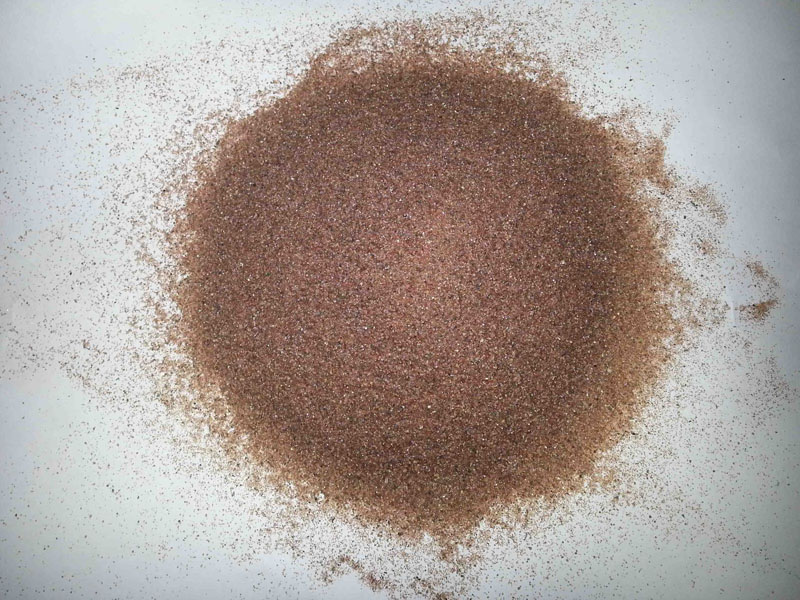
Gypsum powder, a versatile material derived from calcium sulfate dihydrate, is primarily used in construction for plastering, creating drywall, and manufacturing, while also serving agricultural purposes as a soil conditioner. Key uses include creating smooth, fire-resistant wall finishes, false ceilings, and decorative mouldings, as well as serving as a retarder in cement and a key ingredient in Plaster of Paris.
Applications
- Construction & Building Materials
- Plastering: Used for interior wall plastering to achieve a smooth, white, and durable finish
- Drywall/Plasterboards: The primary material for manufacturing, used in building ceilings, walls, and partitions
- Cement Production: Acts as a retarder in Portland cement to control setting time
- Decorative Components: Used in moulding, casting, cornices, and false ceilings
- Surface Repair: Used as a filler for wall gaps and minor damage
Agriculture & Soil Care
- Soil Amendment: Improves compacted, heavy, or clay soil structure, aiding in air and water movement
- Fertilizer: Provides essential calcium and sulfur nutrients for plant growth
- Treatment: Helps reduce soil salinity and treats aluminium toxicity in acid soils
Industrial & Other Uses
- Medical/Dental: Used for creating surgical bandages, casts, and dental molds
- Food Industry: Used in processed foods, such as tofu, flour, and beverages
- Art/Modeling: Used for creating sculptures and art, similar to Plaster of Paris
- Industrial Fillers: Used in adhesives, paint, and plastics
Key Benefits
- Fire Resistance: Provides, and is used for, fire-resistant walls and ceilings
- Speed: Offers fast setting times for quick construction
- Durability: Ensures high strength and long-lasting finishes
- Easy Application: Easy to apply and produces a smooth, aesthetic surface
-
Copper Slag
-
Garnet
-
Gypsum Powder
